



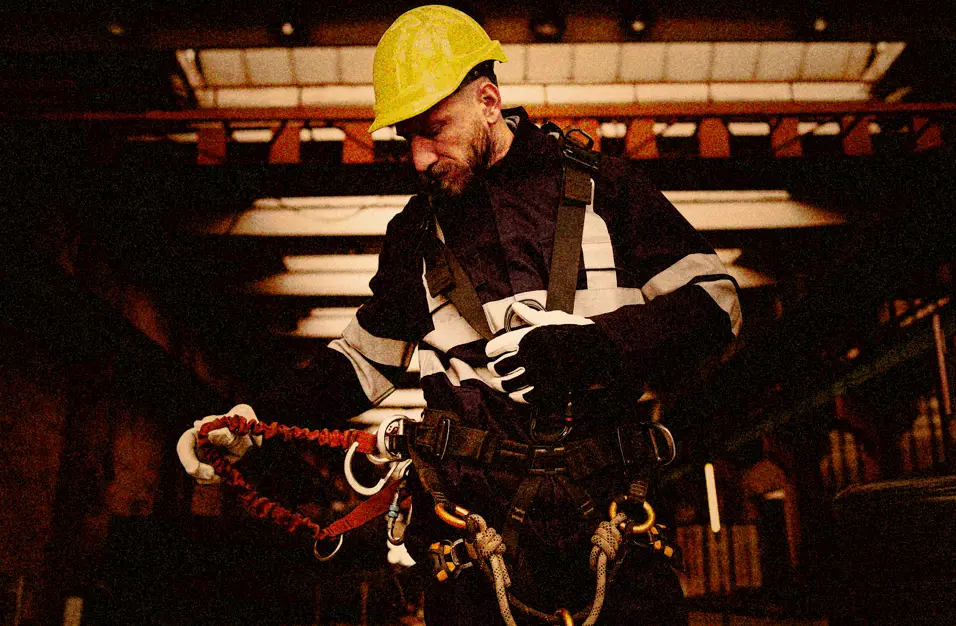
Rethinking What Flame-Resistant Workwear Can Be
For workers in high-heat and hazardous environments, protective apparel is an essential part of the job. Whether facing flash fire risks, arc flash exposure, or other industrial hazards, reliable flame-resistant clothing plays a critical role in workplace safety.
Historically, however, protection has often come with tradeoffs. Many flame-resistant fabrics have prioritized performance at the expense of comfort, resulting in garments that can feel heavy, restrictive, or uncomfortable during long shifts. Over time, that discomfort can influence how workers perceive and wear their protective gear.
Today, a new generation of fabric innovation is helping challenge that long-standing assumption.
Why Comfort Matters in Protective Apparel
When discussing flame-resistant workwear, conversations often focus on certifications, protection levels, and compliance requirements. While those factors remain critical, comfort is becoming an increasingly important consideration.
Workers are spending long hours in demanding environments. Breathability, softness, flexibility, and overall wearability can significantly influence the day-to-day experience of protective clothing. Fabrics that feel better against the skin may encourage more consistent use while helping improve mobility and comfort throughout the workday.
As manufacturers and brands continue to evolve their protective apparel offerings, the goal is no longer simply protection. Increasingly, it's protection without unnecessary compromise.
A New Approach to Flame-Resistant Fabric Technology
CORDURA Comfort FR™ was developed to address this challenge by combining flame-resistant performance with lightweight comfort and durability. Built using patented thermally resistant nylon fiber technology, the fabric platform was designed to help bridge the gap between protection and everyday wearability.
The result is a fabric solution engineered to deliver:
- Flame-resistant protection for industrial applications
- Lightweight and breathable construction
- Softness and comfort next to skin
- Enhanced abrasion and tear resistance
- Long-term durability designed for demanding environments
By focusing on both performance and comfort, the technology helps create opportunities for workwear brands looking to provide a better overall experience for end users.
Durability Plays an Important Role
Protection has always been a primary requirement in FR apparel, but durability is equally important.
Garments used in industrial environments are subjected to daily abrasion, repeated laundering, and long-term wear. The ability to maintain performance over time can influence both product lifespan and replacement frequency.
CORDURA Comfort FR™ fabrics were designed with this reality in mind. Enhanced durability characteristics may help extend garment life, potentially reducing the frequency of replacement and contributing to a lower overall cost of ownership for wearers and organizations.
This focus on longevity aligns with a broader industry movement toward products that deliver value not only through protection, but through long-term performance as well.
The Future of Protective Workwear
Protective apparel continues to evolve alongside the needs of modern workers.
As industries seek solutions that improve both safety and wearability, fabric innovation is playing a larger role in shaping the next generation of FR garments. Lightweight constructions, enhanced comfort, and durable performance are increasingly becoming expectations rather than exceptions.
CORDURA Comfort FR™ represents one example of how the industry is moving forward, helping demonstrate that protection, comfort, and durability can work together in a single fabric solution.
For workers facing demanding environments every day, that's an important step toward a future where protective clothing performs as well as it feels.